A different GHS in each country
Countries adopt GHS revisions on their own timetable and pick different building blocks, so the same product can be classified differently from one market to the next.
One SDS rarely fits every country.
The GHS is a UN model, not a law. Each country decides which revision to adopt, which hazard classes to use, what goes on the SDS and label, and when. We map those differences for the countries you sell in, keep the picture current and tell you what they mean for your products.
Countries adopt GHS revisions on their own timetable and pick different building blocks, so the same product can be classified differently from one market to the next.
One SDS rarely fits every country.
Revisions, transition periods and new hazard classes arrive at different times in each country, often announced in the local language.
A deadline is easy to miss when you watch many markets.
Each country publishes its rules in its own laws, guidance and gazettes, and summaries online are often out of date.
Teams spend hours checking instead of acting.
Start with the one you need now. They are built to work together, so nothing has to be redone when you add the next.
Country profiles and a hazard-class matrix for 27 jurisdictions in your client portal, with a dated log of every change.
Explore the service Regulatory gap assessmentWhat each market requires for your own products, with a roadmap and deadlines.
Explore the service Regulatory monitoringA monthly digest that matches rule changes to your products, with the deadline for each.
Explore the serviceThe countries you sell in now, and the ones you plan to enter.
The GHS tracker shows how each country differs: revision, hazard classes, SDS and label rules.
A gap assessment turns the differences into actions for your own products.
Tracker updates and monitoring keep you ahead of the next change.
What you receive
Every file reviewed and signed off by a regulatory specialist.
Each one links to a plain-language guide with the sources.
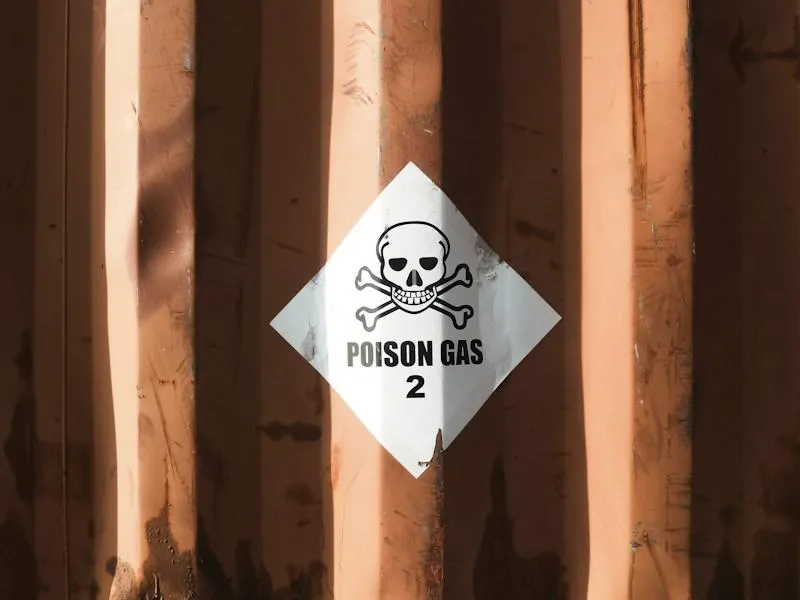
Nine GHS pictograms, plus one used only in Canada. What each symbol covers, which markets require it, and the precedence rules that decide which ones appear together.
Read article
Both systems are based on the GHS, but a US SDS is rarely enough on its own for WHMIS. The differences that matter, and how to cover both markets.
Read article
Endocrine disruptors, PBT/vPvB and PMT/vPvM are now CLP hazard classes. Substances already on the market must comply by 1 November 2026.
Read article27 jurisdictions across North America, Europe, Latin America, Asia-Pacific and Oceania. Others can be added on request.
We author SDSs and labels for Canada, the US, the EU and the UK. For other countries, the tracker and a gap assessment show what applies, so you can brief a local partner or supplier.
It is a paid service in the Hazline client portal. Ask for a quote, or request it from the Services page if you already have an account.
Send one SDS or a short description. A specialist replies within one business day with what it would take.
Sell in Canada without SDS or label surprises.
See the solution A rule changed and your SDSs have a deadline.Update your SDSs before the deadline, not after.
See the solution You import products and take on the supplier duties.Bring imported products into compliance.
See the solution