Missing raw-material data
Most delays come from waiting for a raw-material SDS or a flash point nobody measured.
The launch date slips while data is chased.
A new product needs its classification, SDS and label before the first sale, in every market and language you launch in. We work from your formula and raw-material data, tell you up front what is missing, and deliver documents signed off by a specialist.
Most delays come from waiting for a raw-material SDS or a flash point nobody measured.
The launch date slips while data is chased.
A small amount of a sensitiser or carcinogen can be enough to classify a mixture; the cut-offs are often 0.1% or 1%.
An ingredient below 1% can still change the label.
A liquid with a flash point above 60 °C and up to 93 °C is category 4 in Canada and the US, a category the EU's CLP Regulation does not have.
One classification rarely fits every market.
Start with the one you need now. They are built to work together, so nothing has to be redone when you add the next.
16-section SDSs and label text for each market, with the classification worked out from your full formula.
Explore the service Regulatory gap assessmentNotifications and other duties that apply before launch, beyond the SDS.
Explore the service Training and webinarsSales and customer service briefed on what the SDS and label say.
Explore the serviceWe list exactly what we need: formula, raw-material SDSs, physical data and markets.
Each hazard class worked out from your data, with the method recorded.
SDSs and labels drafted, then checked line by line and signed off.
One revision round included; monitoring keeps them current after launch.
What you receive
Every file reviewed and signed off by a regulatory specialist.
Each one links to a plain-language guide with the sources.
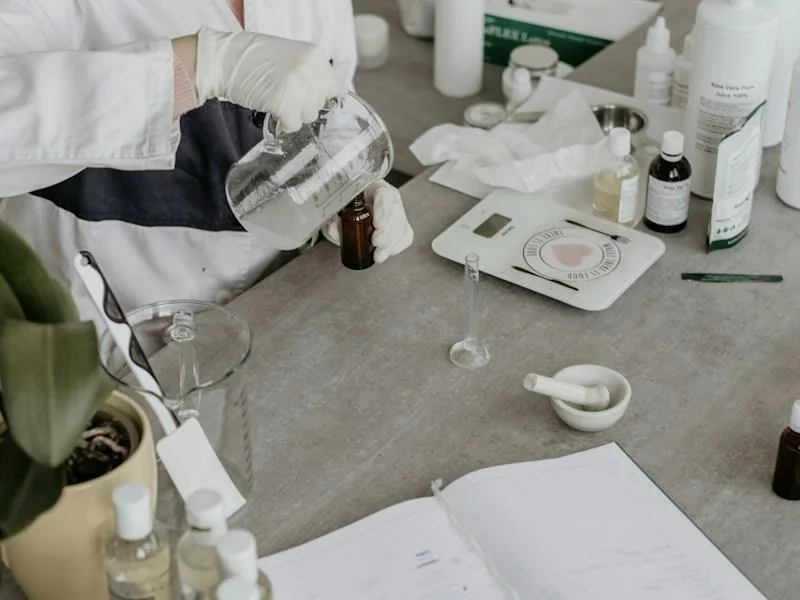
The data behind a compliant SDS: what to gather from your formula, your raw-material suppliers and your own testing before the work starts, and why each item matters.
Read article
Every GHS safety data sheet follows the same 16 headings in the same order. What goes in each section, which ones get checked first, and where the markets differ.
Read article
In Canada and the US, the SDS duty applies to products classified as hazardous. What counts as non-hazardous, which products are excluded, when the EU still asks for an SDS, and what to send customers who insist.
Read articleThe full formula with CAS numbers, the SDS of every raw material, physical data such as flash point and pH, and where and how the product will be sold. The checklist comes with the quote.
Yes. It is used only for your project, and we sign your NDA before you send anything.
We check it against every hazard class and confirm the result in writing. Customers often still ask for an SDS, and we can provide one.
Send one SDS or a short description. A specialist replies within one business day with what it would take.
Sell in Canada without SDS or label surprises.
See the solution You sell in countries that apply the GHS differently.Keep track of the GHS in every country you sell in.
See the solution A rule changed and your SDSs have a deadline.Update your SDSs before the deadline, not after.
See the solution