Country profiles
For each jurisdiction: the laws and regulators, the GHS revision in force, the sectors covered and a plain-language summary, with links to the official texts.
Each country adopts the GHS its own way: a different revision, different hazard classes, its own SDS and label rules and its own deadlines. The GHS tracker puts 27 jurisdictions side by side in your client portal, and a specialist keeps it current.
 27 jurisdictions
| Change | Market | Date |
|---|---|---|
| New hazard classes: substances already on the market | EU | 1 Nov 2026 |
| Health Canada moves to risk-based enforcement | CA | 19 Jul 2027 |
| HazCom 2024: updated SDSs and labels for mixtures | US | 19 Nov 2027 |
Every country profile is researched from official sources, then reviewed and signed off by a specialist before you see it. Updates go through the same check.
For each jurisdiction: the laws and regulators, the GHS revision in force, the sectors covered and a plain-language summary, with links to the official texts.
Which GHS hazard classes and categories each country has adopted, left out or changed, side by side for the countries you choose.
Languages, SDS format, update rules, emergency phone numbers, cut-offs and confidential business information, country by country.
Past milestones and upcoming deadlines, transition periods and draft rules for each jurisdiction.
Every update is dated and described, so you can see what changed since you last looked.
Each profile lists the official sources it is based on, so you can check any point yourself.
The matrix shows where countries differ. Each country profile gives the rules behind it, with the dates and sources, and can be printed for your team.
| Hazard class · example | CA | US | EU | UK |
|---|---|---|---|---|
| Flammable liquids, category 4 | Yes | Yes | No | No |
| Desensitized explosives | No | Yes | Yes | Yes |
| Hazardous to the aquatic environment | No | No | Yes | Yes |
| Endocrine disruption (EU class) | No | No | Yes | No |
| Biohazardous infectious materials | Yes | No | No | No |
Tell us where you sell or plan to sell. The tracker is switched on in your client portal.
Open the matrix for the countries you choose, or a single country profile.
When a country changes its rules, the profile is updated and the change is logged with its date.
Questions about a country go to the specialist who keeps the tracker up to date.
Chosen for the markets where chemical suppliers in Canada and the US most often sell. Other countries can be added on request.
United States, Canada, Mexico
European Union, United Kingdom, Switzerland, Norway
Brazil, Argentina, Chile, Colombia, Peru, Uruguay, Ecuador
China, Japan, South Korea, Taiwan, India, Singapore, Malaysia, Thailand, Vietnam, Indonesia, Philippines
Australia, New Zealand
27 jurisdictions: the US, Canada and Mexico; the EU, the UK, Switzerland and Norway; Brazil, Argentina, Chile, Colombia, Peru, Uruguay and Ecuador; China, Japan, South Korea, Taiwan, India, Singapore, Malaysia, Thailand, Vietnam, Indonesia and the Philippines; and Australia and New Zealand. Others can be added on request.
A specialist follows the official sources for each jurisdiction. When a rule changes, the profile is updated, checked and published, and the change is added to the dated log you see in the portal.
From official sources: the legislation, the regulators and the UN pages on GHS implementation. Each profile lists the sources it is based on.
The managers you name in your client portal. The shared site login used for the SDS library does not see the tracker.
No. The tracker is a reference to help you plan. For a decision about a specific product or market, a gap assessment applies the rules to your own products.
The GHS tracker is a paid service in the Hazline client portal. Ask us for a quote, or, if you already have a portal account, request it from the Services page.
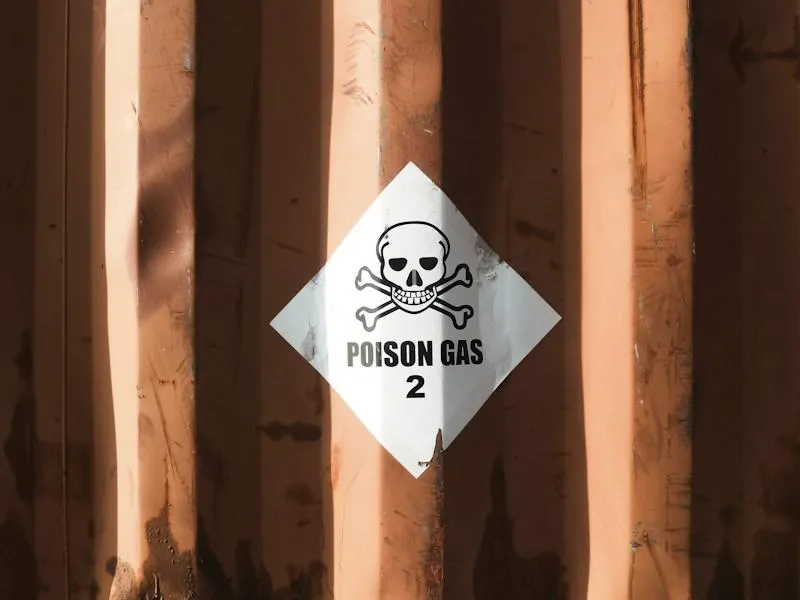
Nine GHS pictograms, plus one used only in Canada. What each symbol covers, which markets require it, and the precedence rules that decide which ones appear together.
Read articleBoth systems are based on the GHS, but a US SDS is rarely enough on its own for WHMIS. The differences that matter, and how to cover both markets.
Read article
Endocrine disruptors, PBT/vPvB and PMT/vPvM are now CLP hazard classes. Substances already on the market must comply by 1 November 2026.
Read articleSend one SDS for a free spot-check. You get a short written summary within one business day.